























Jeff Koziol, Allegion Business Development Manager – Higher Education
Keeping campuses safe is a top priority for colleges and universities, and securing student rooms, classrooms, labs, offices and storage areas is central to that mission. Institutions can choose from traditional mechanical locks, wired electronic access, periodic Wi-Fi locks, or real-time connected locks as part of an electronic access control system that combines hardware with electronic credentials.
There are plenty of misconceptions about real-time connected electronic locks, such as cost, battery life and what happens when network links fail. Modern online systems deliver many advantages – strong, flexible security, fast incident response, streamlined operations, and actionable usage data that help facilities and security teams make smarter decisions. When evaluated thoughtfully, real-time electronic access control can make campuses safer, more responsive and easier to manage.
x Myth 1: Interior student room doors should rely solely on traditional locking hardware.
 Truth: Student room doors are a key point of security on any higher ed campus, and electronic locks bring benefits that go beyond what traditional mechanical locks can offer in certain settings. For one, electronic locks provide advanced control over who can access each room. While mechanical locks and electronic locks are similar in that access is granted to a student residing in their respective rooms, traditional brass keys can be misplaced, swapped, borrowed or stolen, potentially allowing access to anyone who holds it and requiring costly rekeying.
 Instant Insights
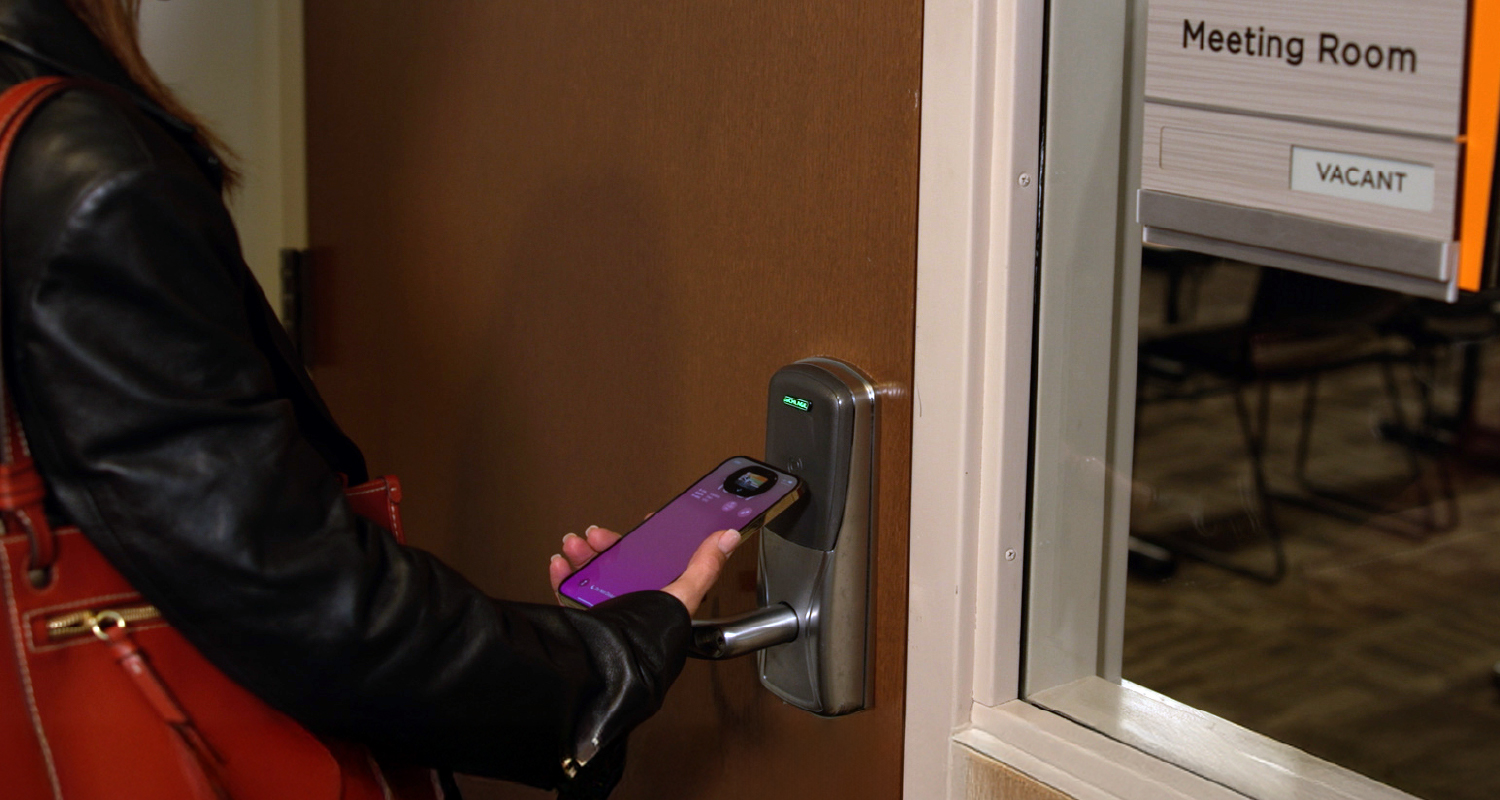
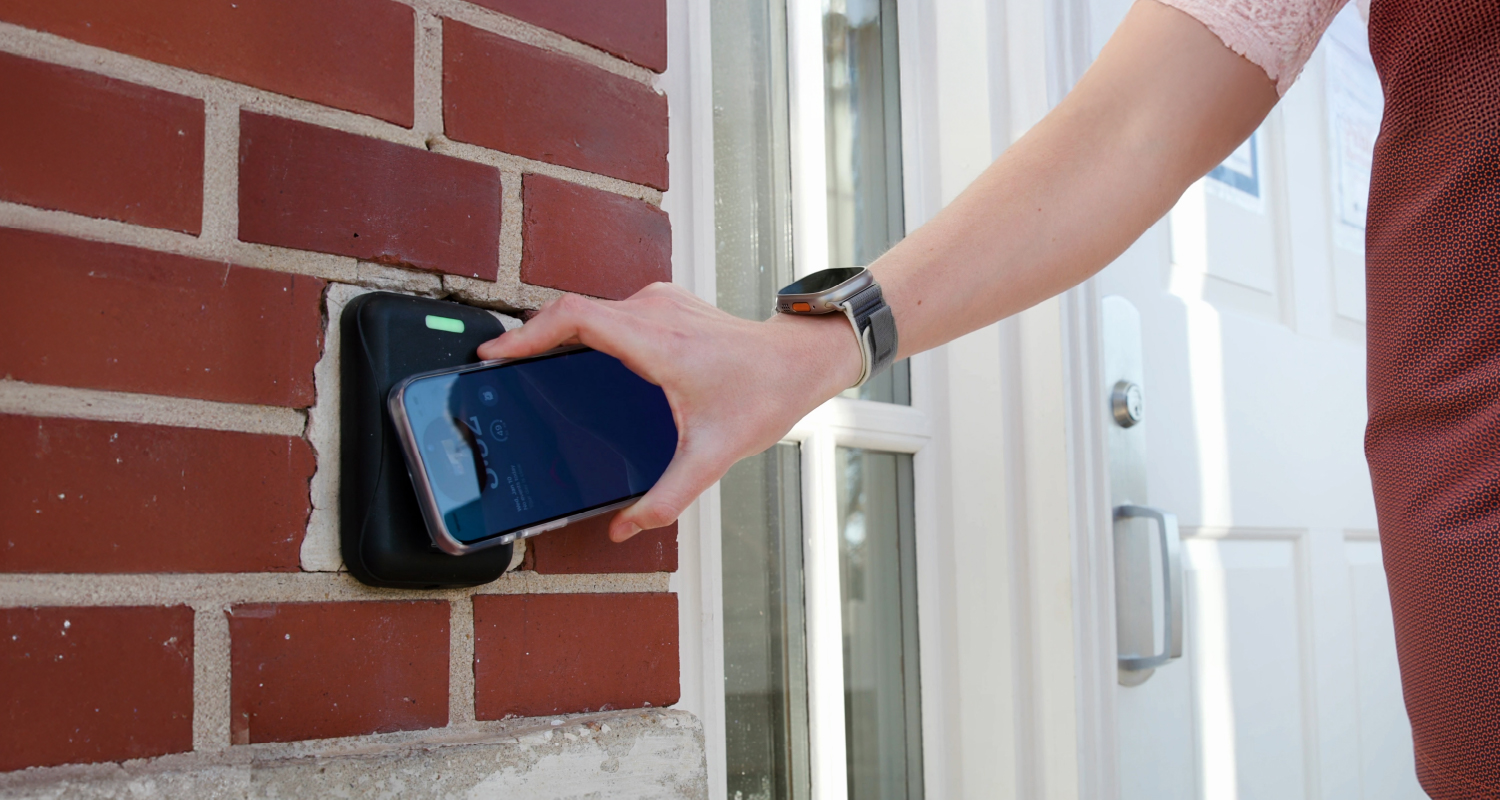
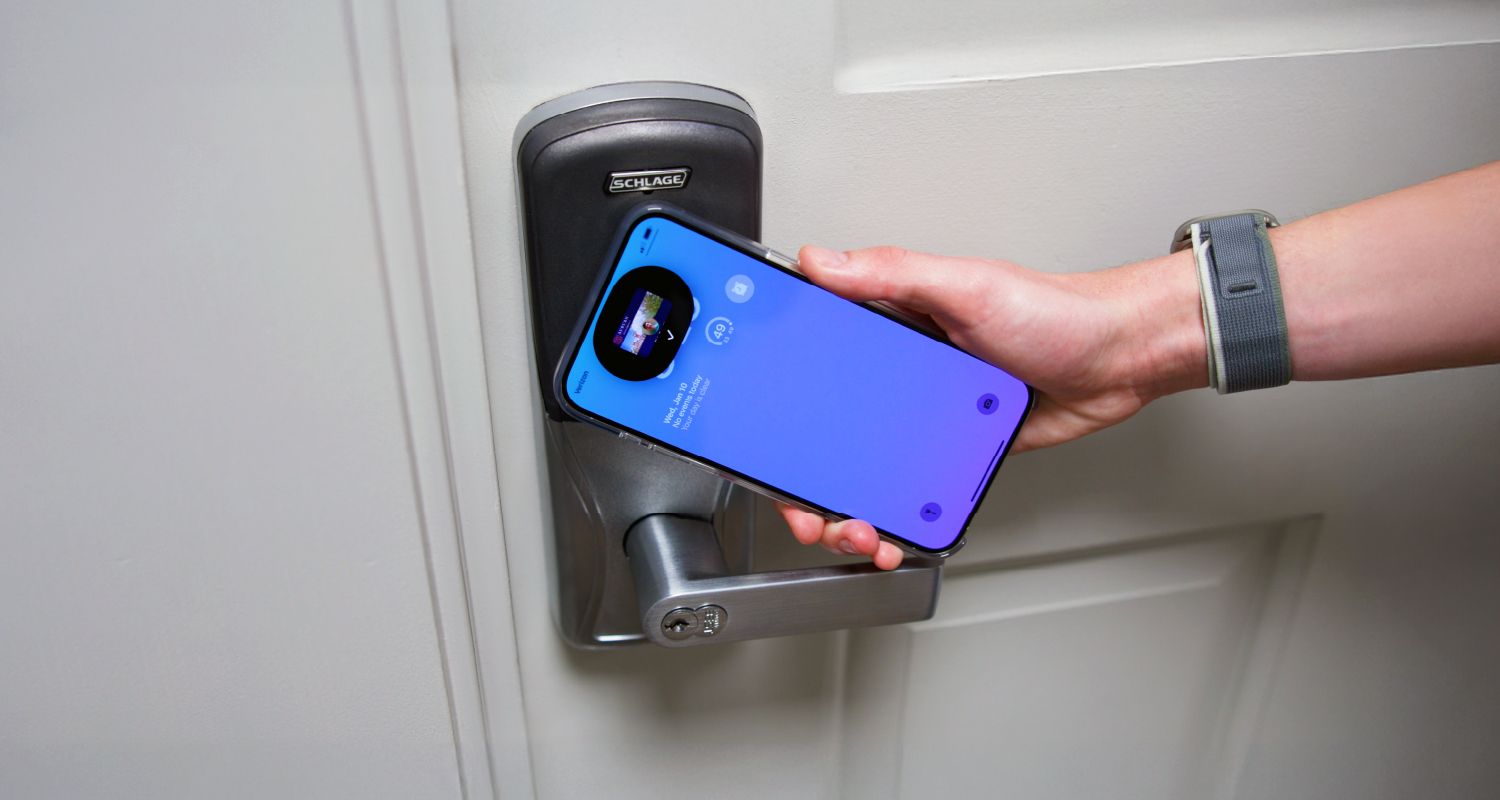
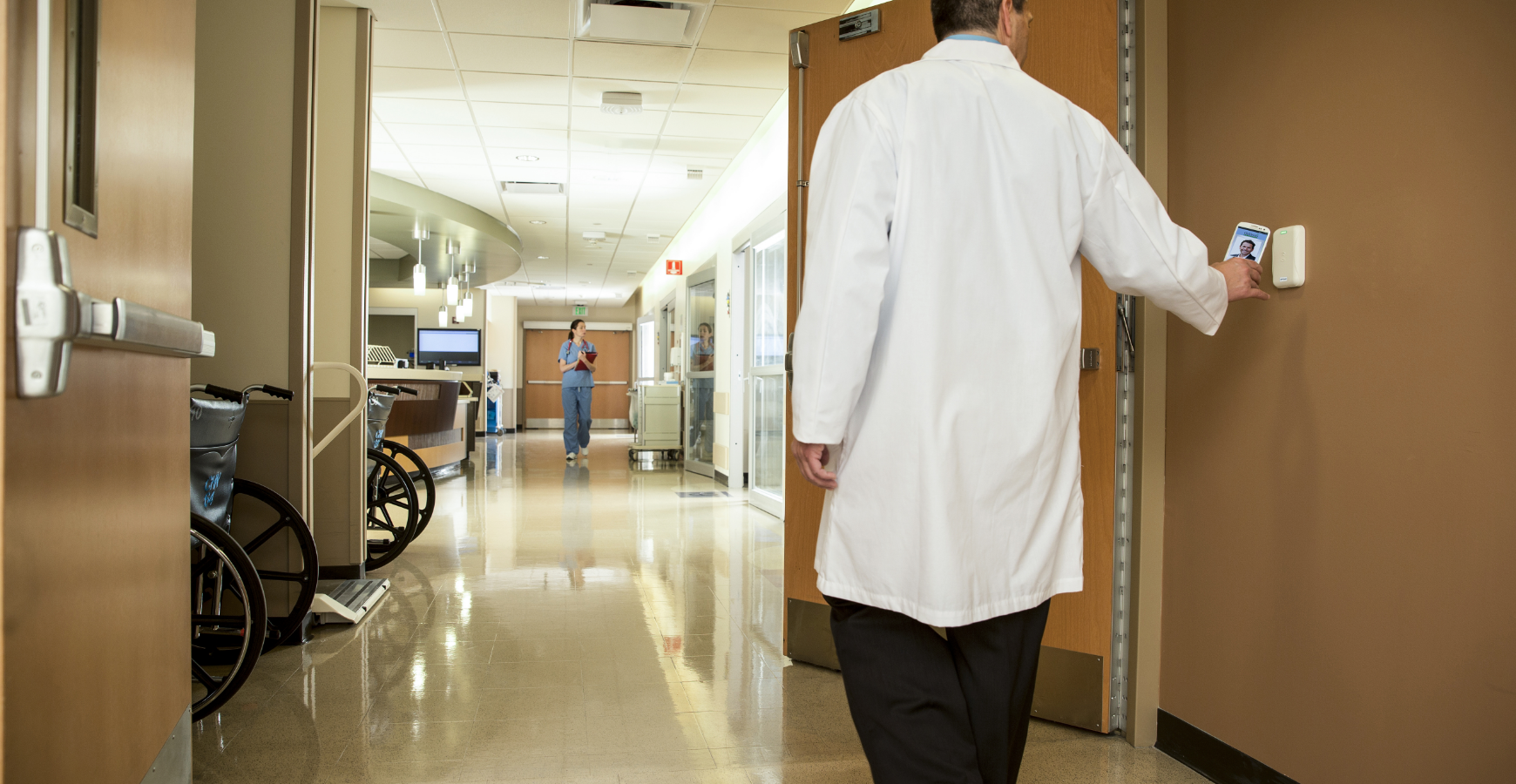
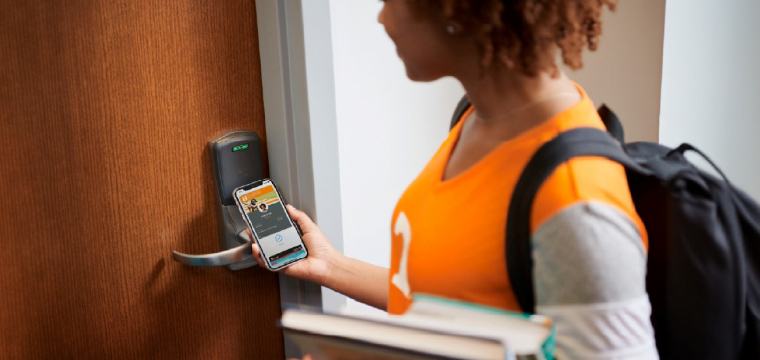
Credential Options: With electronic locks, credentials can be issued in the form of campus ID cards or digital (mobile) credentials tied to a student’s phone that are approved and issued by the campus. Students are much less likely to misplace or lend their phones to friends. If a student does lose their phone, various features allow them to quickly locate and disable their phone.