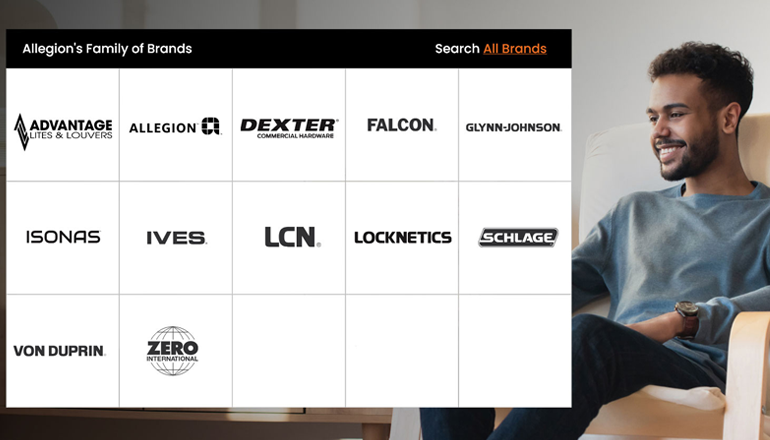
Allegion's Commercial Family of Brands













You have special requirements when creating a safe and secure environment for patients, physicians, and staff. We understand the needs of health care facilities and believe optimizing your facility's physical environment can have a direct link to improved patient outcomes, patient satisfaction, staff satisfaction and productivity, and financial performance.


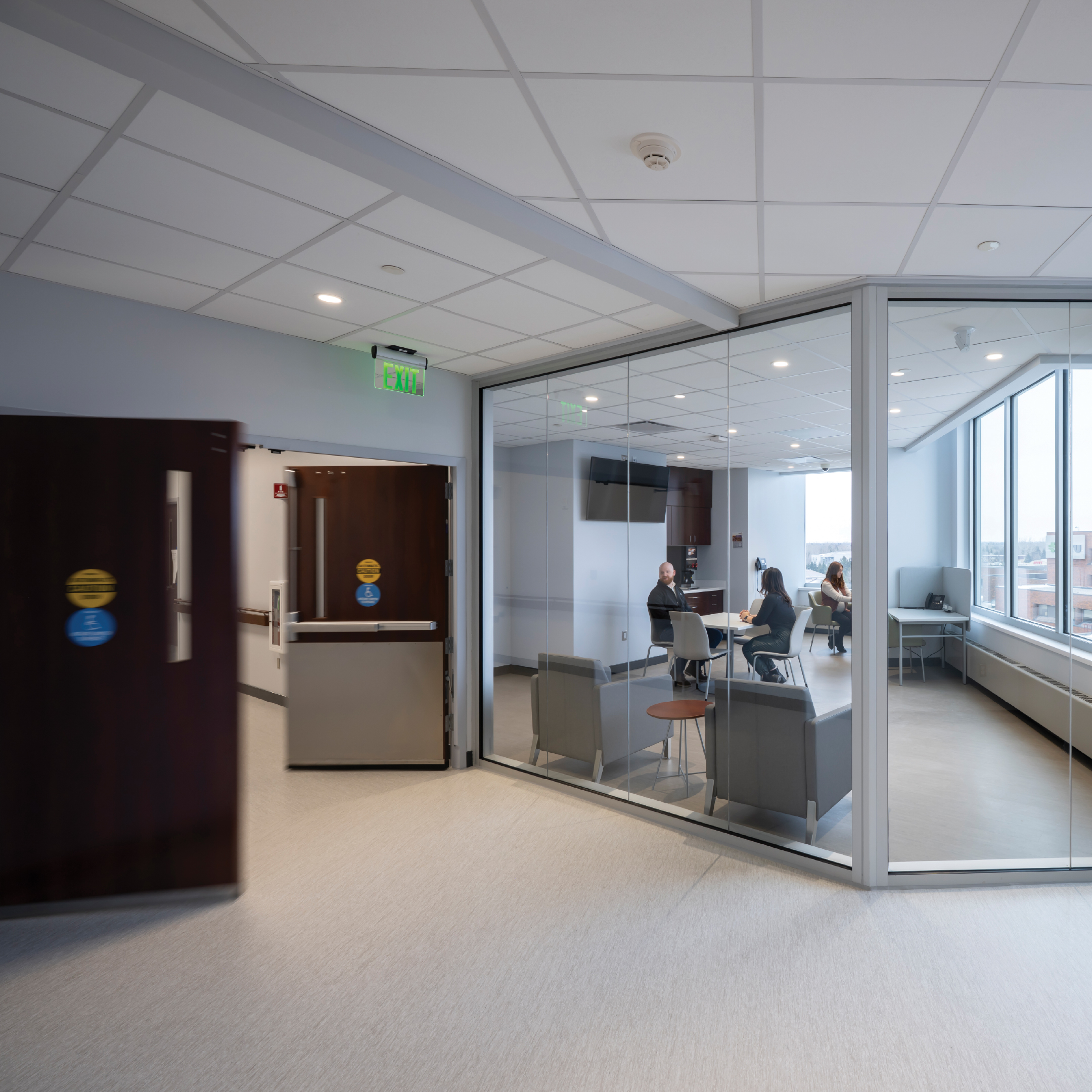
Decoded: Delayed vs. Controlled Egress
Understand the difference between delayed and controlled egress and when to use each.
Anatomy of a Fire Door
Learn about the requirements for fire door assemblies and other differences from standard openings and hardware.
Intermountain Cancer Center McKay Dee Hospital
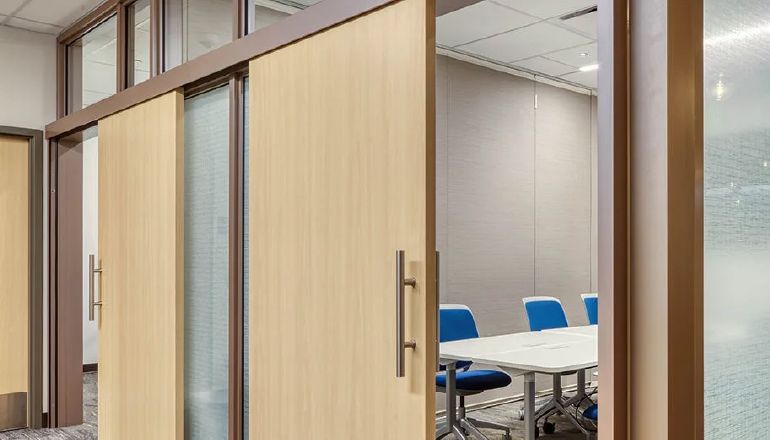
Adaptable, flexible, space‑saving design solutions optimized the first‑floor cancer center to maximize floorplan functionality to accommodate more patients and support healing.
Best Practices Recommendations and Code-Compliant Health Care
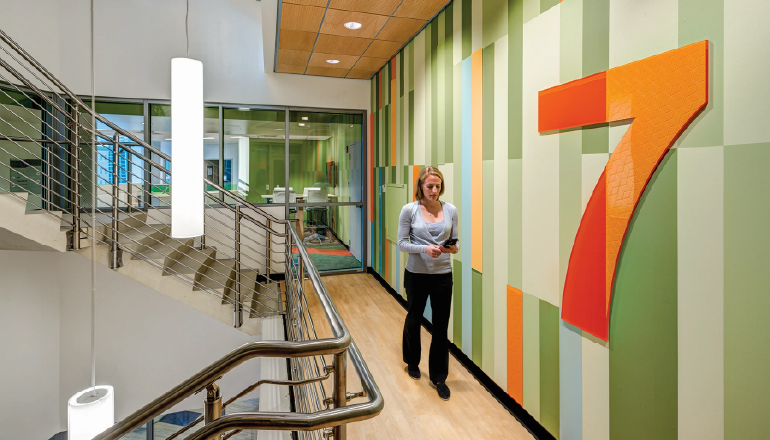
Navigating code-compliance and achieving best-practice recommendations can seem like a significant constraint for design teams. However, architectural glazing systems can offer multiple solutions for both when planning health care environments.
Infographic: Delayed Egress vs. Controlled Egress
The difference between delayed egress and controlled egress systems can be confusing. This infographic shows how these systems work, where they are used, and how to choose the correct application.
3 Ways Sliding Doors Support Wellbeing in Healthcare Interior Design
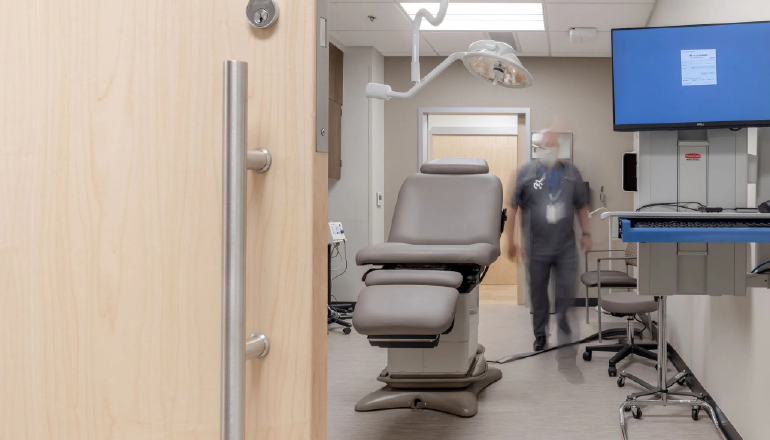
Though there are multiple ways to include design elements that support building occupant wellbeing, interior sliding doors present a practical way to plan a space that works with the specific challenges in the healthcare field to promote wellness.
FAQs About Low Energy Automatic Operators
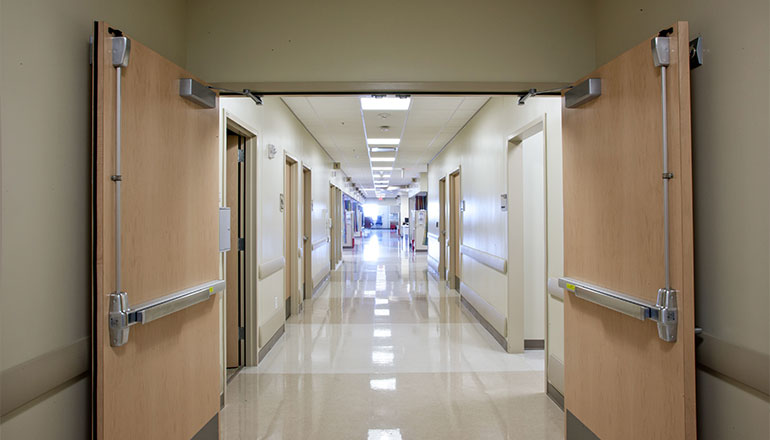
Low energy automatic operators are the type of automatic door operators that are typically actuated by a “knowing act.” Here are some commonly asked questions about these devices.
Innovation in Interior Architectural Design for Health Care Facilities
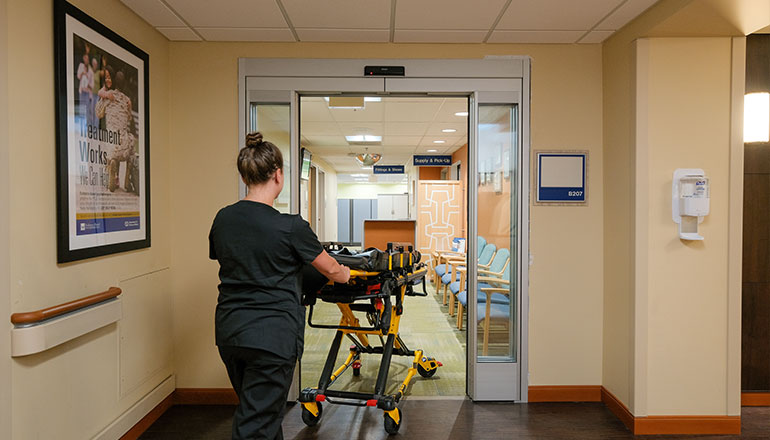
Architects are implementing new and more effective design elements to improve both employee wellness and patient care with particular focus on ICUs.
A Complete Guide to Selecting Doors for your Healthcare Project
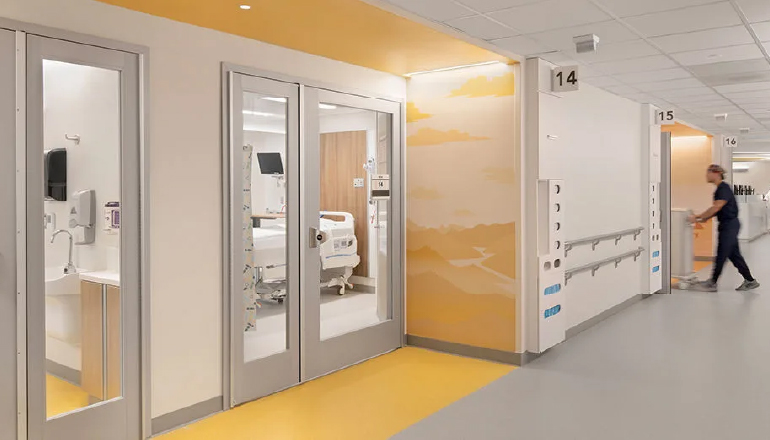
This guide offers five key points to help project teams confidently approach flexible, accessible, and spatially optimized floorplans.
Three-door Systems Solve Complex Challenges In ICU Renovation
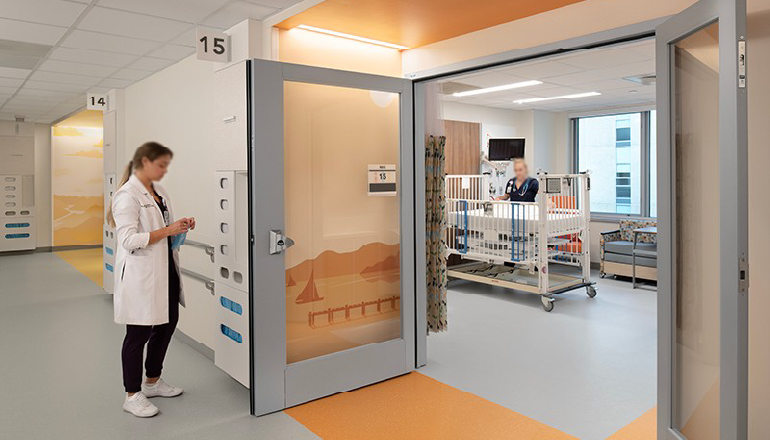
Atrium Health Levine Children’s Hospital in Charlotte, N.C., a top-ranked pediatric ICU with 1,500 annual admissions, faced challenges selecting door systems due to strict criteria and spatial constraints. See how AD Systems used three-door systems to meet these criteria and remain code compliant.
Beyond HIPAA: How Acoustic Sliding Doors Improve Privacy and Wellness in Health Care Settings
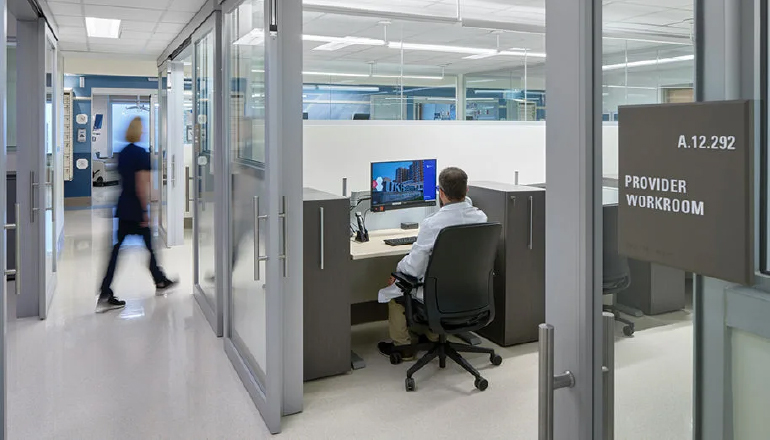
Acoustic sliding doors play a crucial role in reducing noise transfer in healthcare settings. This article explains how these doors work and what providers can expect when specifying high-performance acoustic sliding doors.
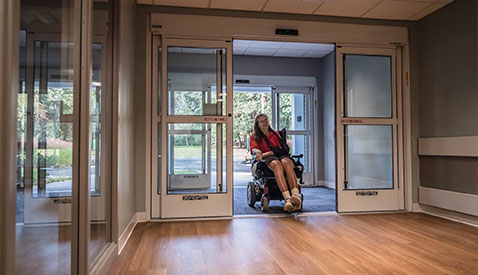
Infection control has long been a challenge in health care facilities but has increased even more in recent years. Doors can be a contributing factor in high traffic areas where people frequently must touch the door or hardware to pass through. However, there are door opening solutions that can help reduce the spread of germs, bacteria and viruses.
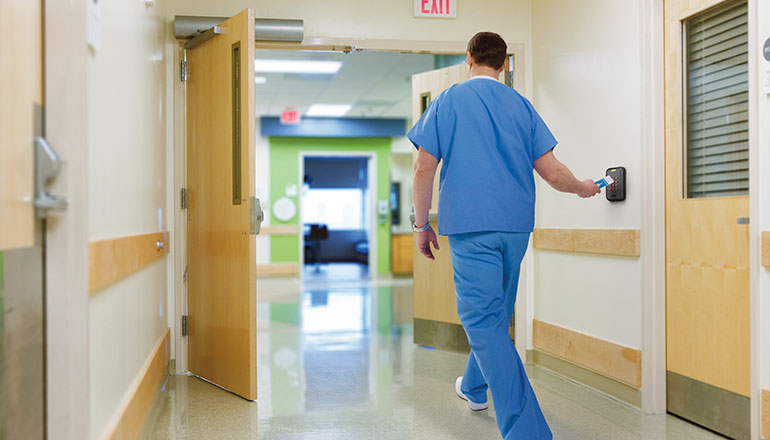
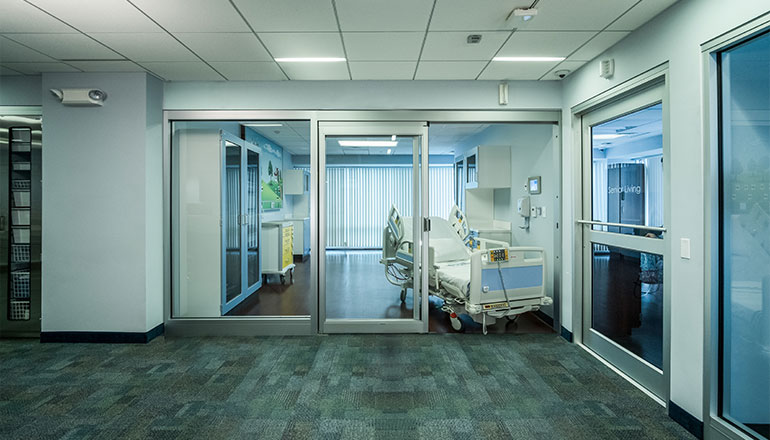
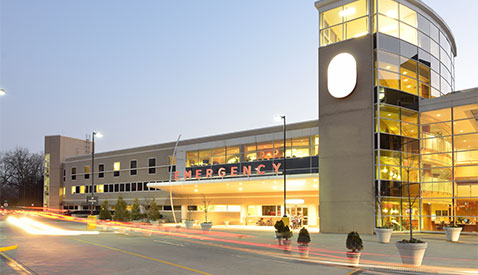
We know the intricacies of keeping a health care facility up and running—and that's why top hospitals partner with us to design unique, efficient, and most importantly, safe patient experiences. We have hospital doors that meet the demands of all areas of health care facilities including entrances, interior corridors, ICU/CCUs and isolation rooms, emergency rooms, and enhanced security integrations. With smoke-rated, positive and negative pressure-rated, and trackless configurations, our doors are a fitting addition to your health care facility.
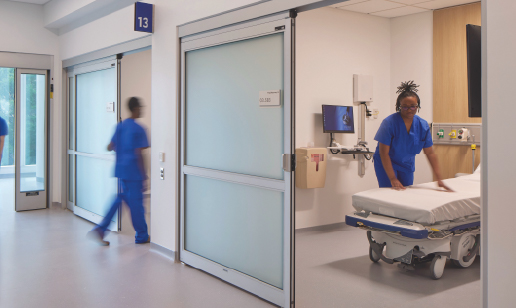
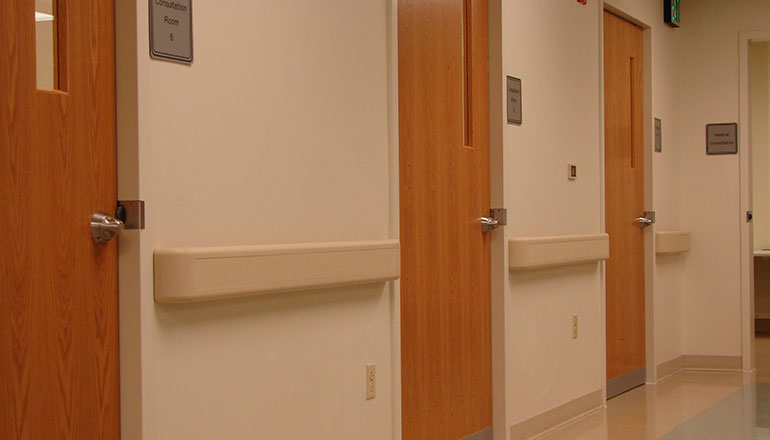
Patient-focused spaces need environments that are quiet, comfortable and maintain patient privacy and accessibility. Health care settings often have unique requirements such as smoke or fire ratings, lead shielding, air tightness and anti-microbial hardware. Sliding door solutions made especially for clinics, medical office buildings and other health care applications can save space and allow patients and health care workers to navigate the building with ease.
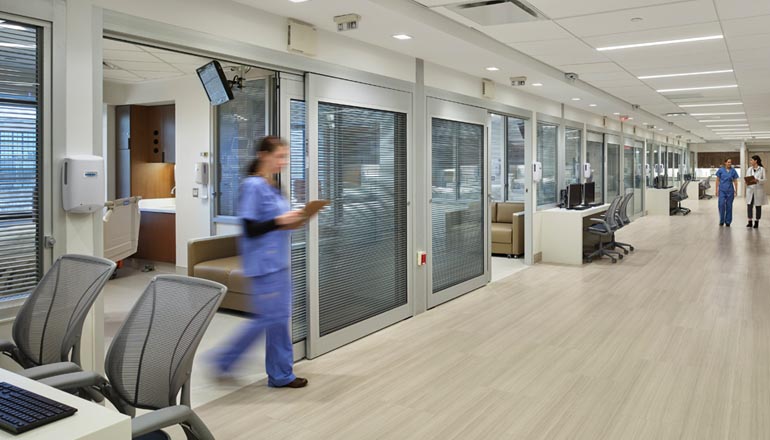
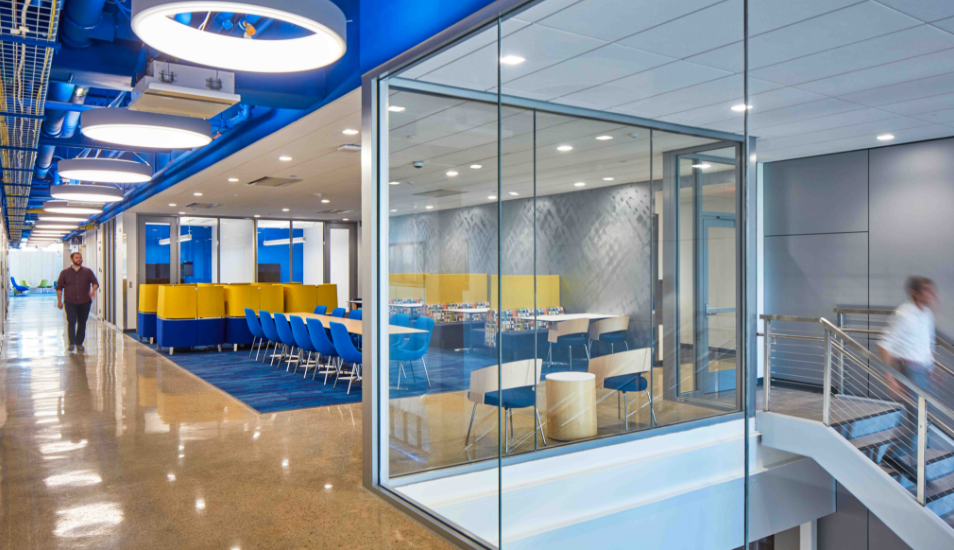
Delivering precision control and seamless integration, our advanced privacy glazing solutions are engineered for the demands of modern spaces. Featuring operable or fixed louvers fully enclosed within a hermetically sealed glass unit, they offer a clean, maintenance-free way to manage privacy, daylight, and solar heat gain—without the need for strings or cords.
Whether for health care, commercial, educational, or institutional settings, these systems allow for total design flexibility and can be tailored to fit virtually any configuration. From patient rooms to meeting areas, they offer a superior approach to privacy that meets the highest performance standards.
Optimized for:



Explore our extensive Resources hub to find a complete collection of tools and information to assist and guide you along your journey.
Contact us today to talk about your project needs.
Ⓒ 2025 Allegion all rights reserved